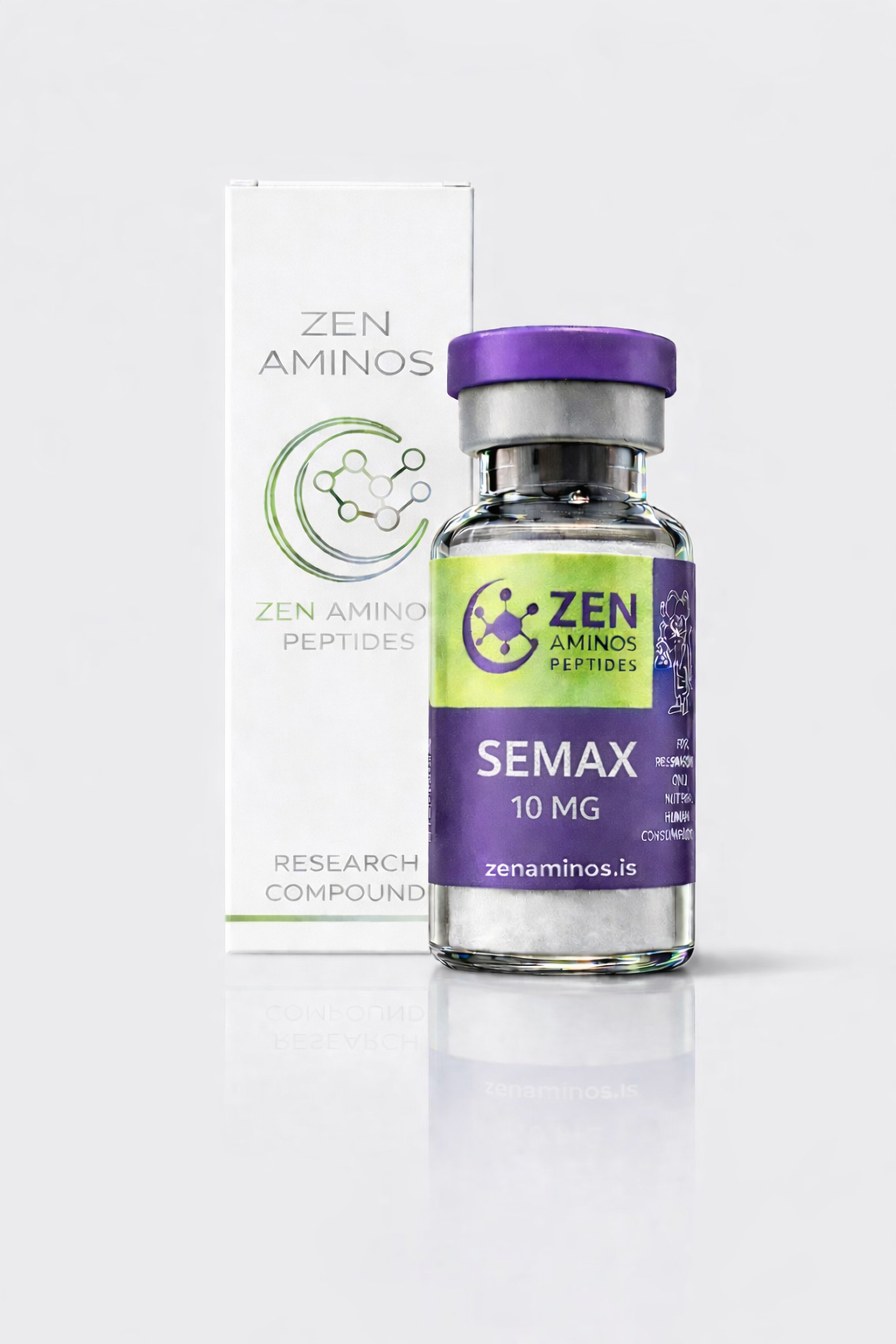
SEMAX 10mg 10ct Research Pack
Original price was: $ 349.95.$ 209.95Current price is: $ 209.95.
SEMAX 10mg is a high-purity, research-grade synthetic peptide investigated for its potential relevance to cognitive enhancement, neurological activity, and biochemical signaling pathways. It is widely used in laboratory environments for in vitro and preclinical research and is not intended for human or veterinary consumption.
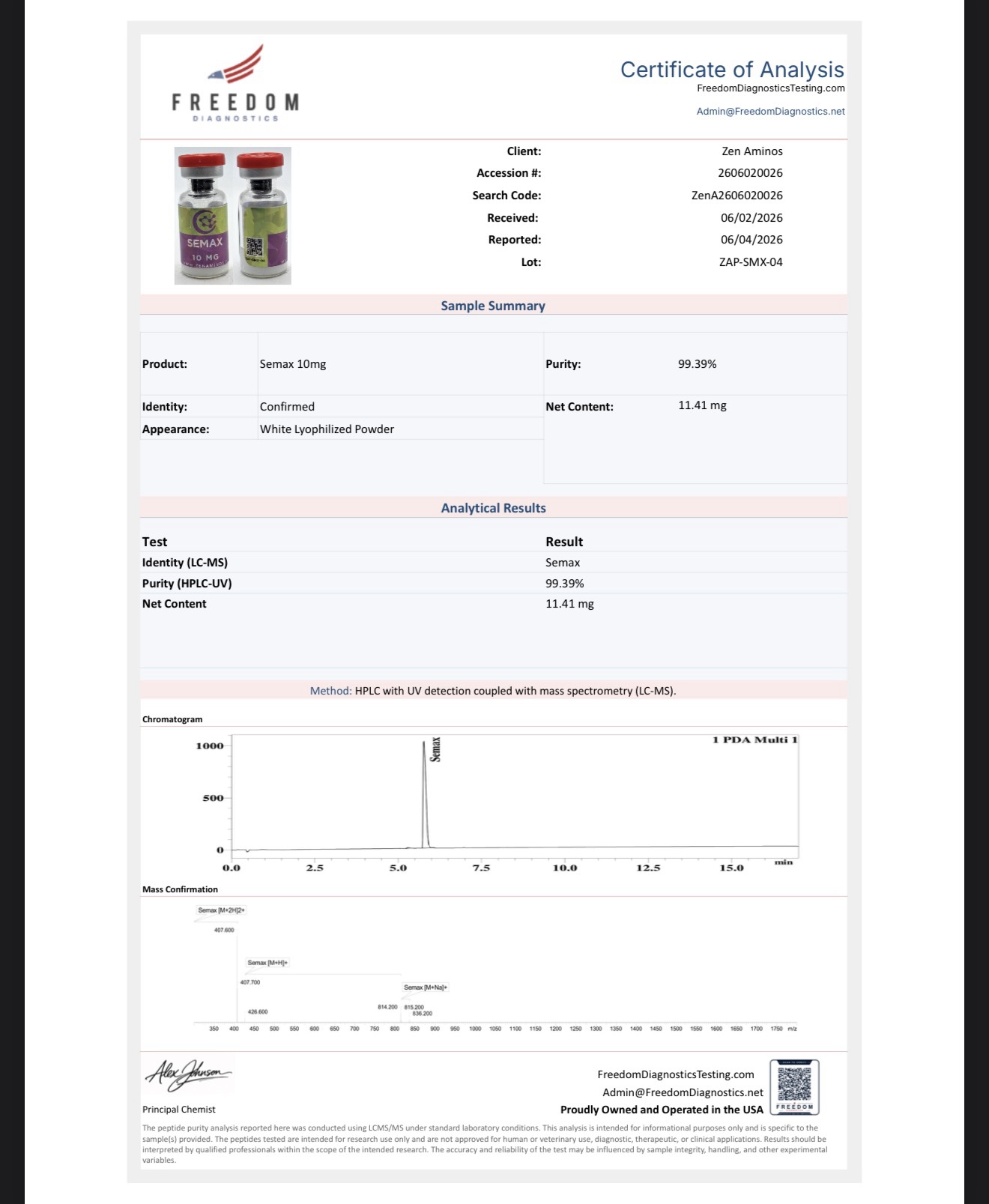
Manufactured using solid-phase peptide synthesis (SPPS) and tested using advanced analytical methods such as HPLC and mass spectrometry, SEMAX ensures structural accuracy, stability, and batch consistency. Each vial is provided in lyophilized form to support long-term storage and controlled preparation. A Certificate of Analysis (CoA) accompanies every batch for documentation and research validation.
Researchers may utilize SEMAX in studies exploring learning models, attention mechanisms, neuronal signaling, peptide interactions, neurochemical pathways, and cellular adaptation. Its stability and controlled synthesis make it a valuable tool in neurological, biochemical, and molecular biology research laboratories.
Note: SEMAX 10mg is strictly for research applications under proper laboratory conditions. Appropriate safety protocols and PPE should be followed at all times.
Availability: In stock
SEMAX 10mg is a synthetic research peptide derived from a fragment of adrenocorticotropic hormone (ACTH). It has received broad scientific interest for its potential effects on neurological activity, cognitive processes, neurochemical signaling, and neuroprotective research models. SEMAX is widely used in laboratory and preclinical environments to explore biochemical pathways related to cognition, focus, neuronal regulation, and peptide-based modulation.
Manufactured to the highest research standards, SEMAX 10mg is supplied in lyophilized form to maintain purity and stability. This product is intended strictly for in vitro laboratory investigation and is not for human or veterinary consumption, clinical application, or therapeutic use.
Key Features
-
High Purity Peptide: Synthesized using solid-phase peptide synthesis (SPPS) to ensure consistency, molecular accuracy, and repeatable research results.
-
Lyophilized for Maximum Stability: Freeze-dried to extend shelf life and improve storage suitability in laboratory conditions.
-
Analytical Verification: Every batch undergoes HPLC and mass spectrometry testing to ensure purity, identity, and structural consistency.
-
Certificate of Analysis (CoA): Provided with each vial for transparency and laboratory documentation.
-
Scientifically Developed: Designed exclusively for trained researchers and laboratory personnel involved in preclinical testing and molecular investigation.
Scientific Applications
Cognitive and Neurological Research
SEMAX is commonly studied in laboratory settings for its potential influence on brain and neuronal function, including:
-
Cognitive response mechanisms
-
Learning and memory models
-
Synaptic regulation research
-
Neuronal communication pathways
Researchers investigate SEMAX for its ability to support studies involving neural pathway activation and biochemical regulation associated with brain performance.
Neurochemical Pathway Modulation
In experimental studies, SEMAX may be used to explore regulatory pathways involving:
-
Neurotransmitter signaling
-
Receptor interactions
-
Neuropeptide-based modulation
-
Cellular response to biochemical influence
These studies help researchers understand how peptides may interact with neurochemical systems inside controlled laboratory models.
Neuroprotection and Adaptation Studies
SEMAX is also used in research evaluating biological responses to:
-
Environmental stress
-
Cellular recovery
-
Adaptive neural function
-
Oxidative and metabolic challenges
These controlled studies allow researchers to examine how biochemical signaling may contribute to protective effects in neural systems.
Molecular Biology and Peptide Research
Because of its structural predictability and observed biochemical properties, SEMAX is a useful candidate for advanced molecular studies involving:
-
Gene expression
-
Protein regulation
-
Neural signaling pathway mapping
-
Peptide structure-function analysis
Handling and Storage
Reconstitution
SEMAX 10mg may be reconstituted with sterile water or another suitable research-grade solvent according to laboratory protocols.
Storage Requirements
-
Store in a dry, cool environment
-
Avoid exposure to direct light and moisture
-
Keep sealed until preparation
Safety Guidelines
-
Operate only under trained laboratory supervision
-
Use appropriate PPE such as gloves, lab coat, and eye protection
-
Follow institutional chemical handling and disposal procedures
Why Choose SEMAX 10mg?
-
Laboratory Reliability: Manufactured for dependable reproducibility across experiments.
-
Wide Scientific Relevance: Suitable for research into cognition, neuroprotection, molecular biology, and neurological biochemistry.
-
Documentation for Verification: Includes CoA for analytical transparency.
-
Supports Advanced Research Models: Valuable for scientific investigations where peptide-based modulation of neural activity is being explored.
Important Notice
SEMAX 10mg is not intended for human or veterinary use. It is intended for laboratory research only. It must be handled exclusively by trained professionals in qualified research environments following standard laboratory safety procedures.
Related products
-
Sale
 KitsZAP-2T Research Packs 10ct (Multiple Options)Price range: $ 259.95 through $ 609.9510mg / 20mg / 30mg / 40mg / 60mg This product has multiple variants. The options may be chosen on the product page
 -
Sale
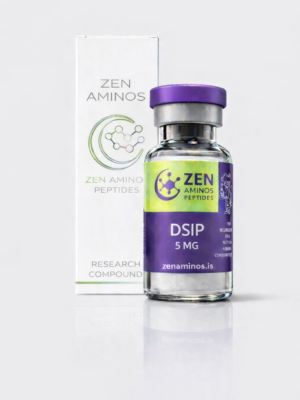 KitsDSIP 5mg 10ct Research PackOriginal price was: $ 349.95.$ 189.95Current price is: $ 189.95.Add to cart
 -
Sale
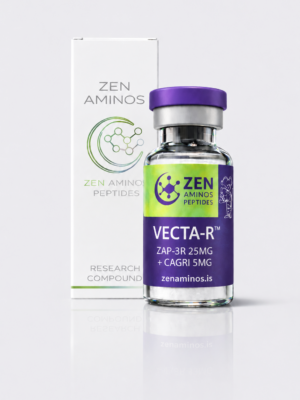 Kits“VECTA-R” ZAP-3R 25MG + CAGRI 5MG 10ct Research PackOriginal price was: $ 1,339.95.$ 479.95Current price is: $ 479.95.Add to cart
 -
Sale
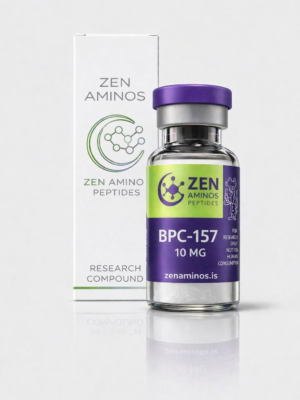 KitsBPC-157 10mg 10ct Research PackOriginal price was: $ 499.50.$ 229.95Current price is: $ 229.95.Add to cart