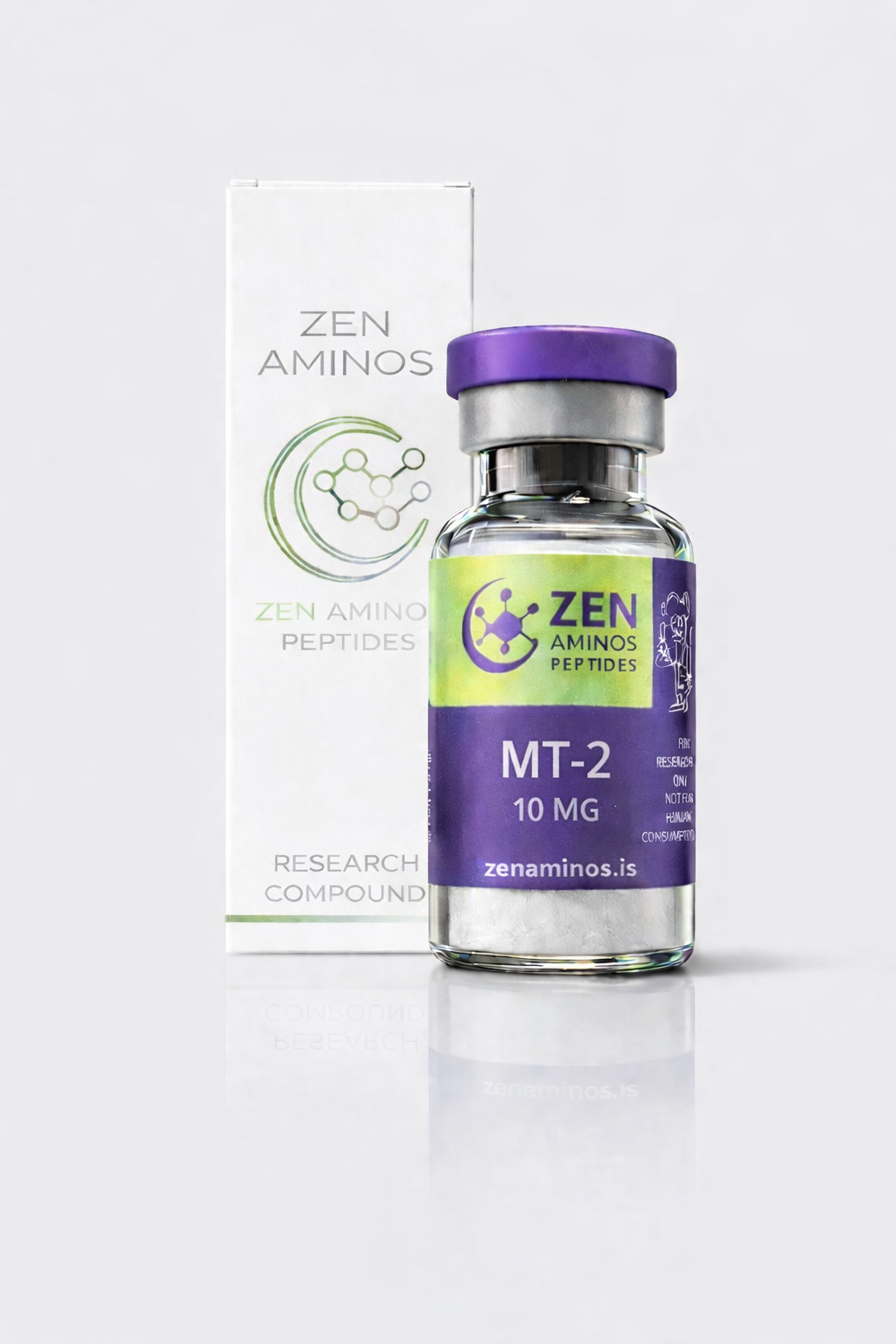
MT-2 10mg
$ 34.95
MT-2 10mg is a laboratory-grade research peptide formulated for scientific investigation into melanocortin receptor pathways, pigmentation signaling, cellular response modulation, and biochemical processes related to melanin production. This compound is widely utilized in controlled research environments to explore the molecular mechanisms through which melanocortin receptors influence cellular pigment expression, UV-response behavior, oxidative protection pathways, and related cellular adaptation dynamics.
Researchers working with MT-2 often focus on analyzing how biochemical signaling changes when melanocortin pathways are activated, including shifts in melanin synthesis, cellular coloration intensity, UV-response markers, antioxidant reactions, and enzymatic interactions related to pigment expression.
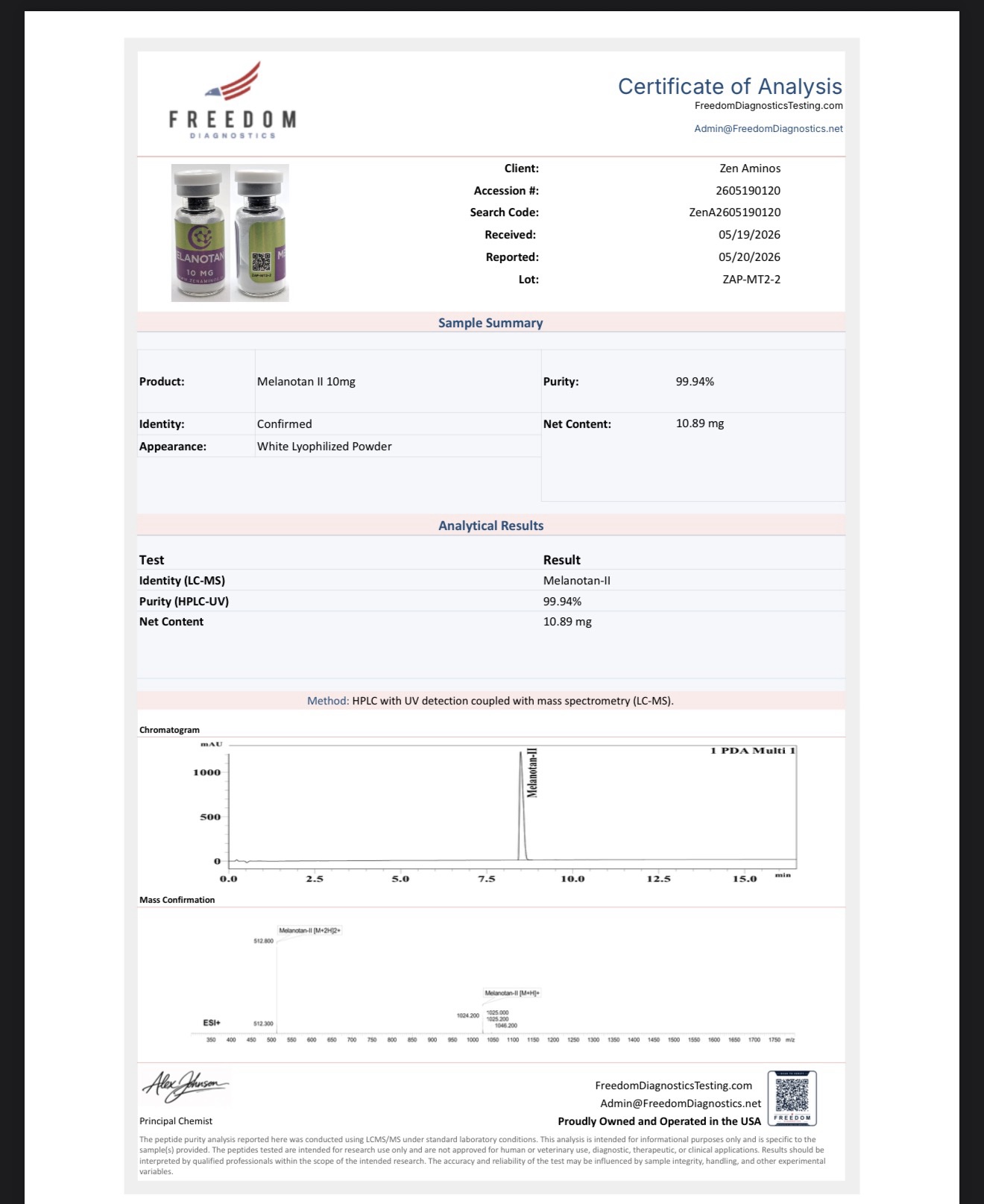
Each vial of MT-2 10mg is produced under stringent quality control to ensure high purity, structural integrity, and reliable performance in scientific models. The peptide is suited for in vitro analysis, controlled in vivo laboratory experiments, receptor pathway mapping, and molecular response characterization.
For Research Use Only – Not for Human Consumption
Availability: In stock
MT-2 10mg is a premium research-grade peptide designed for scientific studies involving melanocortin receptor biology, pigmentation signaling mechanisms, biochemical pathways connected to melanin synthesis, and cellular behaviors influenced by melanotropic activity. This compound serves as an essential tool for laboratories investigating how melanocortin pathways affect cellular coloration, UV-response physiology, oxidative protection, and related biochemical markers associated with pigment formation.
The melanocortin system plays a central role in regulating how cells respond to ultraviolet exposure and internal triggers that stimulate melanogenesis. MT-2 10mg enables researchers to study these processes in a controlled and measurable environment, examining how melanin production fluctuates, how pigment intensity evolves under repeated exposure, and how biochemical signaling molecules contribute to pigmentation responses at the cellular level.
Research involving MT-2 may explore:
-
Melanocortin receptor activation and downstream signaling
-
Changes in melanin production across varying concentrations
-
Photoprotection markers and cellular adaptation
-
Oxidative defense responses and free radical reduction
-
Receptor expression patterns in tissue cultures
-
Gene and protein expression involved in pigment regulation
Because melanocortin pathways also contribute to appetite regulation, behavioral signaling, and metabolic communication, MT-2 10mg may also support investigative applications beyond pigmentation. Laboratories may study how melanocortin activation affects neurochemical responses, metabolic feedback systems, hunger signaling, stress-related hormonal activity, and systemic physiological adaptation. This wide range of research opportunities makes the peptide a versatile asset for molecular, biochemical, and physiological research models.
In metabolic and neurobiological research, MT-2 is frequently applied to analyze neuropeptide response pathways, receptor binding affinity, communication between central and peripheral systems, and variations in hormonal signaling patterns. Tissue cultures, receptor assays, animal models, and molecular analysis platforms may use the peptide to generate controlled datasets that reflect how melanocortin pathways influence systemic function.
Every vial of MT-2 10mg undergoes rigorous manufacturing oversight to ensure consistent purity, stability, and structural fidelity. The peptide is synthesized to meet research-grade standards and is sterile-filtered to support reproducible results in laboratory experimentation. This ensures that observed changes in experimental outcomes can be attributed to biological interactions rather than inconsistencies in peptide quality.
MT-2 can be integrated into a variety of laboratory study formats, including:
-
In vitro cell culture research
-
In vivo animal model studies
-
Biochemical reaction modeling
-
Cellular pigmentation assays
-
Molecular signaling analysis
-
Photobiology experimentation
-
Receptor expression and response mapping
Its stable molecular structure and reliable laboratory performance make it a valuable compound for scientists seeking deeper insights into complex cellular signaling networks related to pigmentation, metabolic regulation, and neurochemical response pathways.
Despite its wide research utility, MT-2 10mg is not a pharmaceutical product, not a supplement, and not intended for human use, diagnostics, medical treatment, or consumption in any form. It must only be handled by trained professionals within controlled laboratory settings that follow established safety standards, chemical handling guidelines, and proper research procedures.
By offering a standardized and high-quality peptide, MT-2 10mg assists researchers in achieving accurate, meaningful, and reproducible scientific results, helping expand the understanding of melanocortin biology and related biochemical systems.